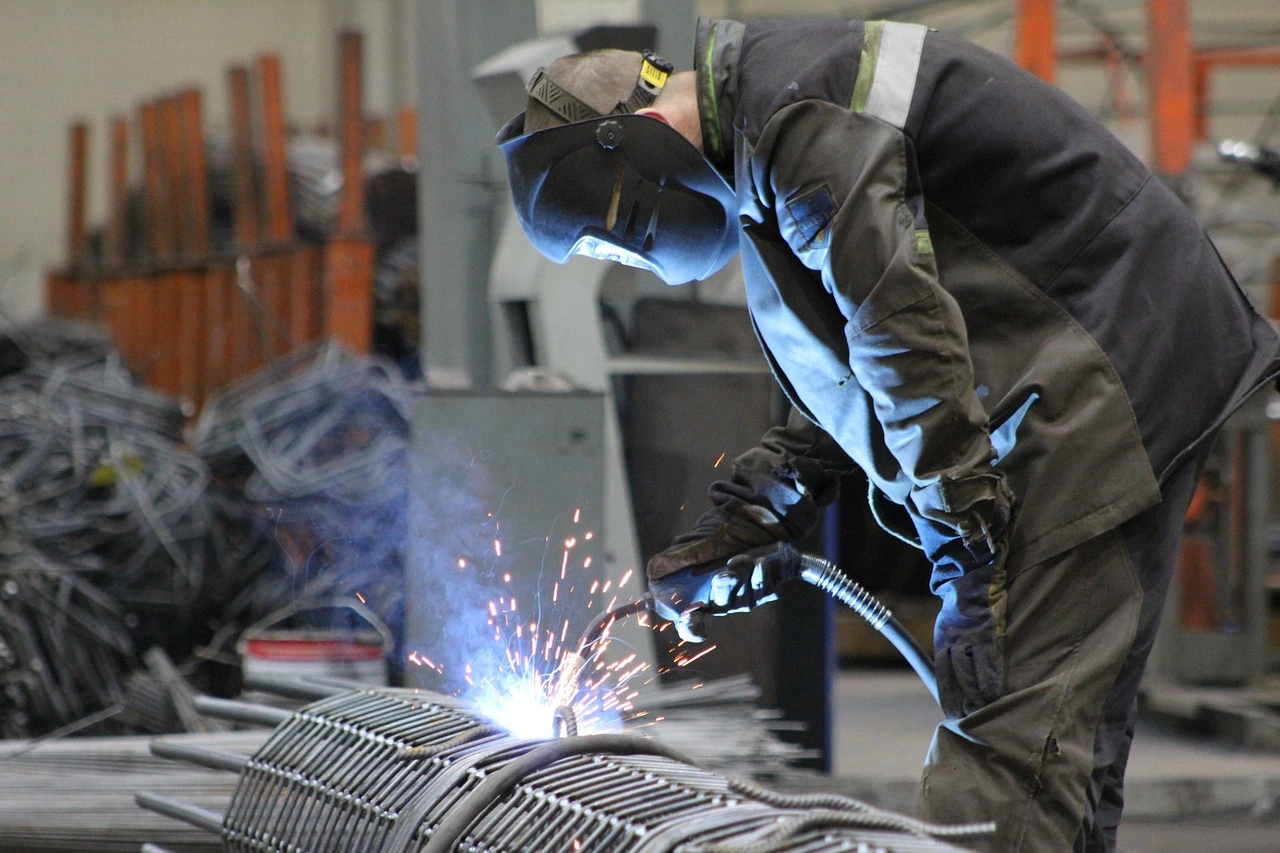
Living in coastal Western Australia, we Aussie pros know that building structures that last means picking the right materials. In Hamilton Hill – where the air carries a salty tang from the Indian Ocean and the sun blazes all summer – plain steel just won’t cut it for long-term builds. Stainless steel fabrication is the secret sauce behind strong, long-lasting metal structures here. Think of it this way: stainless steel is like armor-plated steel. Its chromium content forms a protective oxide layer that fends off rust and corrosion. In practice, that means your handrails, frames, and benches stay shiny and strong for decades, without the peeling paint or flaking rust you see on carbon steel.
This resilience is why stainless steel is even the material of choice for offshore WA oil and gas rigs – it combines excellent corrosion resistance, great strength, and easy weldability. In Hamilton Hill’s climate, with hot summers and sea breezes, choosing stainless steel fabrication ensures your structures are up to the challenge.
Why Choose Stainless Steel Fabrication?
You might wonder, “Why not just use galvanized or ordinary steel?” The answer is maintenance and lifespan. Carbon steel will eventually rust when exposed to moisture and salt – and even galvanized steel (zinc-coated) can only do so much before chips let water sneak in. By contrast, stainless steel’s inherent rust resistance means it doesn’t rely on paint or coating. Its “self-healing” chrome-oxide film automatically renews whenever the surface is scratched. That’s huge for Hamilton Hill: the coastal air constantly dumps salt on surfaces (about 3 grams per square meter per day in extreme cases), and ordinary steel would simply pucker and corrode. Stainless steel stands firm. In fact, case studies of coastal Australian fences show Type 316 stainless (with extra molybdenum) staying spotless, while a 304 post nearby started to corrode. In short, stainless steel fabrication outperforms other metals in our environment, giving you reliable strength and a clean look without constant upkeep.
Key Benefits of Stainless Steel Fabrication
- Corrosion Resistance: Stainless steel’s chrome-rich makeup creates an invisible shield against rust. In practical terms, fences or structures made by local fabricators will shrug off Hamilton Hill’s sea spray. Experts note that Type 316 stainless is “the most cost-effective choice for long-term, low-maintenance applications near the coast” – it even contains 2% molybdenum to stop pitting from salt. Compared to carbon steel or even painted metal, stainless steel simply doesn’t corrode.
- Longevity: Structures built with stainless steel can literally last generations. They resist weather, abrasion, and chemicals that would wear other metals out. Bluechip Industrial Services points out that stainless steel “withstands decades of service without significant deterioration,” so you replace or repair far less often. That means the initial investment pays off over many years.
- Low Maintenance: Stainless steel doesn’t need repainting or special coatings. Its surface stays clean with minimal effort. Rain and our intermittent humidity even rinses away salt build-up. Other metals often demand regular scrubbing and paint touch-ups; stainless steel lets you skip most of that grunt work.
- Aesthetic Appeal: A polished stainless finish simply looks sharp. It resists stains and retains a “just-installed” shine. This makes it ideal for visible structures – think sleek handrails or BBQ surrounds – where durability meets good looks. Plus, because stainless steel is easy to weld and form, fabricators can craft custom shapes or artistic features without losing strength. You get robust functionality without sacrificing style.
- Sustainability: In today’s green-building age, stainless steel checks all the boxes. It’s 100% recyclable without quality loss. Offcuts from fabrication or decommissioned parts can be melted down and reused. Choosing stainless steel in your structures means less waste in landfills and alignment with circular economy goals.
By combining these perks, stainless steel fabrication delivers on the “durable and reliable” promise. In a way, it’s like the Superman of metals for WA construction – unflinching against corrosion and built to last.
The Stainless Steel Fabrication Process
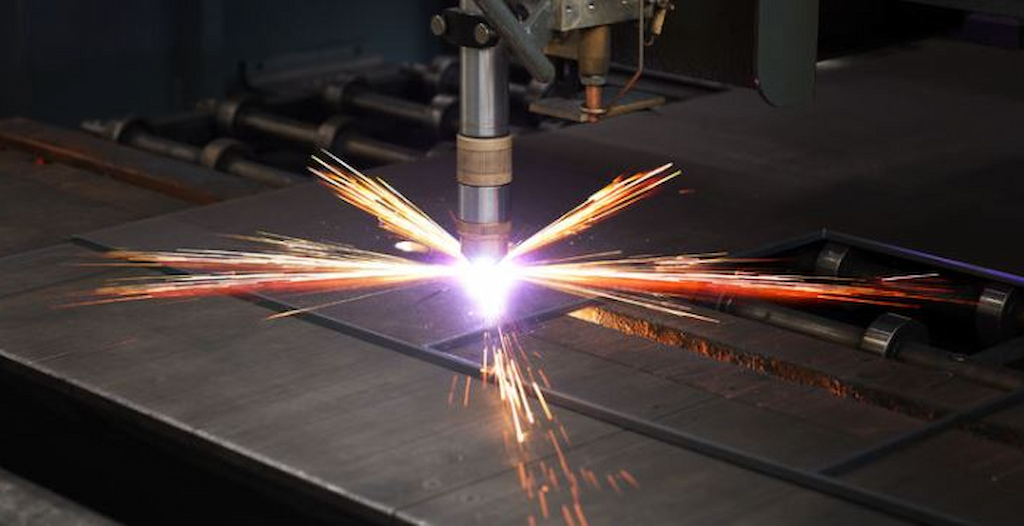
A lot goes on behind the scenes to turn shiny steel sheets into finished structures. First, fabricators use high-precision cutting tools (like CNC lasers or waterjets) to slice stainless steel to the exact shapes needed. These methods leave clean edges without overheating the metal. Next, bending and forming machines sculpt those pieces – press brakes and rollers create curves or angles to match your design.
Once cut and formed, the pieces get welded together. Welders usually use TIG or MIG welding for stainless steel. TIG welding, in particular, provides a very strong, clean weld that maintains stainless steel’s corrosion resistance. (Quality here is crucial – Aussie standards insist on qualified welders and spotless welds.) After welding, there’s a final finishing step. Weld beads are ground smooth, and often the entire surface is polished. Chemical passivation treatments may be applied to enhance the chromium-oxide film. This removes any discoloration from welding (called “heat tint”) and restores the steel’s protective layer. The result is a uniform, smooth stainless surface that truly resists environmental damage.
Throughout, quality control is key. Fabricators keep detailed inspection records and follow Australian standards (like AS/NZS 1554.6 for stainless welding). For example, City of Perth guidelines require all welding to be AS/NZS 1554.6 and all stainless steel used to be marine-grade 316. These rules ensure that every cut, weld, and finish is done right. The upshot? When P A Welding completes a job, you get a robust final product that’s been crafted and checked to international benchmarks.
Quality and Standards in Stainless Steel Fabrication
It’s not enough to just weld metal together – professional fabricators must also adhere to strict standards. In Australia, structural projects rely on standards like AS 4100 and AS/NZS 5131, which govern steel design, fabrication, and erection. And for stainless steel specifically, AS/NZS 1554.6 lays out how to weld stainless for structural uses. The Australian Stainless Steel Development Association (ASSDA) emphasizes following AS/NZS 1554.6 to the letter – it includes mandatory welding qualifications and finish requirements.
Local rules reflect this too. For instance, the City of Perth’s signage design notes explicitly require “All stainless steel to be Marine Grade 316” and that fabrication happens in a contaminant-free environment to avoid “tea staining” corrosion. They even mandate AS/NZS 1554.6 for all stainless welds. Such regulations mean that every grade of stainless and every weld is chosen for maximum durability. When you hire a trusted fabricator like P A Welding, you’re getting a team that knows these rules inside out. We complete weld test certifications (AS 1796) and process certifications (AS/NZS ISO 3834), so every joint meets the tightest tolerances. All this rigor gives you peace of mind: your metal structure isn’t just strong because of the material, but because it was built by experts following best practices.
-

- Why Aluminium Welding Requires Specialist Equipment and Skill
Stainless Steel Fabrication for Local Conditions
Hamilton Hill sits in a part of WA where the weather can be harsh on materials. Summers can push 30°C+ and carry humid winds off the ocean. The air deposits salt on everything, which, without proper design, accelerates rust. In fact, one study noted Western Australian coastal locations need corrosion-resistant materials; luckily, “regular rain helps to reduce corrosion rates by limiting salt deposit build up”. In our climate, that means even better news for stainless: the rain washes off what salt does linger, and the steel’s innate resistance steps in as backup.
However, not all stainless steel is created equal. For outdoor and coastal use, fabricators generally specify Grade 316 (marine grade). It contains extra molybdenum to fend off chloride-induced pitting. A notable case in point showed 316 pieces remaining pristine on an Australian beachfront pool fence, while nearby 304-steel posts began corroding. We follow this lesson in Hamilton Hill: choose 316 for any stainless builds exposed to salt air. The payoff is a low-maintenance life; the structure will weather the elements without flaking or weakening. In everyday language, it simply means “stainless = steadfast” here. By picking stainless steel fabrication, local builders essentially armor their projects against Western Australia’s climate.
Applications of Stainless Steel Fabrication
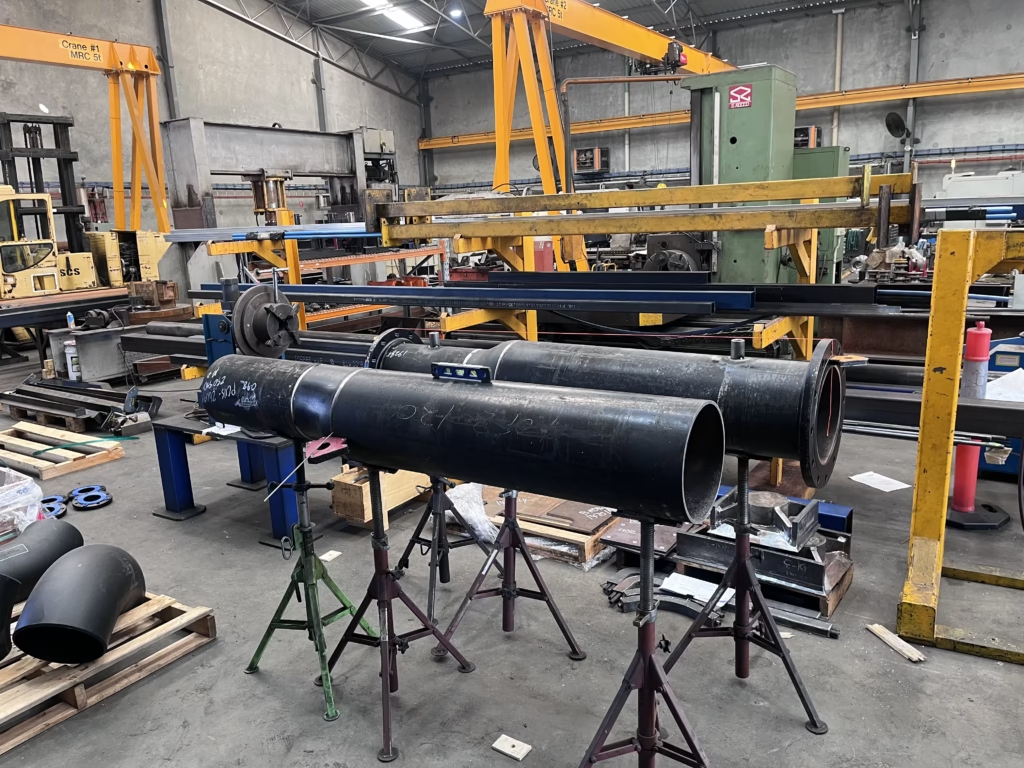
Stainless steel’s toughness and versatility mean it’s used all over modern Australia. Think of the gleaming railings in public spaces, the shiny balustrades on new apartments, the sturdy kitchen benches and handrails that resist fingerprints, or the polished fixtures in cafes – many come from stainless fabrication. Even infrastructure uses it: highways and bridges near the coast use stainless fittings and fasteners to endure salty winds. In industry, stainless-fabricated tanks and pipes carry everything from mine water to food products, because they stay clean and secure under pressure.
For Hamilton Hill and Greater Perth, that means local projects – residential or commercial – benefit too. We’ve seen architects specify stainless steel for signature building facades and shade structures, knowing it holds up better than aluminum or coated steel. On farms or factories, stainless steel fabricated chutes, railings, and frames withstand tough use and chemicals. P A Welding’s own portfolio includes outdoor pergolas and security grilles that still look as polished as the day they were made, thanks to stainless steel construction. No matter the sector, from homes to hospitals, stainless steel fabrication offers a bulletproof solution. It’s like the Swiss Army knife of metals – strong, adaptable, and dependable.
Conclusion
In summary, choosing stainless steel fabrication is a smart move for any Hamilton Hill project that needs to endure. Stainless steel’s built-in corrosion protection and strength mean structures will stay intact and rust-free under our harsh coastal conditions. Its long lifespan and minimal maintenance translate into real savings over time. Plus, by following rigorous Australian standards in fabrication, companies like P A Welding deliver metal work that’s both robust and safe. Put together, these advantages ensure you get durable, reliable metal structures that look great year after year.
Ready to get a lasting result? Contact P A Welding today and let our Perth-based stainless steel fabrication team bring that vision to life. Whether you’re building outdoor furniture, commercial railings, or industrial frames, we combine local expertise with top-notch welding skills to create structures that won’t let you down. Reach out now and weld a stronger future for your project!
Frequently Asked Questions
What exactly does stainless steel fabrication involve?
In plain terms, it means cutting, shaping, and joining stainless steel pieces to make things like frames, railings, or equipment. Unlike ordinary steelwork, stainless steel fabrication requires extra care – for example, we use TIG welding and special polishing methods to keep the metal’s protective layer intact. The result is a finished product that takes advantage of stainless steel’s natural properties.
Why should I choose stainless steel over galvanized or carbon steel?
Mainly for longevity. Stainless steel resists rust on its own, while galvanized or painted steel can corrode when their coatings fail. We often find that stainless, though initially pricier, ends up being more cost-effective because it “lasts decades of service without significant deterioration”. You’ll save on repainting and repairs. In tough environments like ours, stainless steel fabrication means fewer headaches down the track.
Are all stainless steels the same? Which grade do I need?
There are many grades, but for outdoor structures in a place like Hamilton Hill, marine-grade 316 is usually recommended. It contains extra molybdenum to ward off pitting from salt. Grade 304 is common indoors or in mild conditions, but it can show corrosion here. In short, your fabricator should advise 316 for seaside applications. We also make sure all fabrication environments are clean – even small bits of carbon steel can cause “tea staining” on stainless steel, which is why, as Perth’s city guidelines note, the shop should limit any contamination.
Is stainless steel really worth the extra cost?
Absolutely. Think of stainless as a long-term investment. Yes, it costs more per kilo than plain steel, but because it “reduces the frequency of repairs and replacements,” over time it’s very cost-efficient. You get a structure that stays beautiful and strong for years with little upkeep. Many clients say they’d pay that bit extra any day rather than repaint or replace corroded metal every few years.
How do I ensure the stainless steel fabrication is high quality?
Always ask for compliance with Australian standards. We follow AS/NZS 1554.6 for welding stainless steel, and AS 4100 for structural design. A quality fabricator will also highlight certifications – for example, AS 1796 welder licenses or ISO 3834 quality certificates. At P A Welding, each part is inspected, and we remove any weld discoloration so the corrosion resistance is fully restored. You can also look for ASSDA (Australian Stainless Steel Development Association) accreditation, which signals best practices. Good workmanship and adherence to codes mean your final product will live up to its promise of durability and reliability.