Welding joins metal parts. Metal fabrication is the wider process of making a metal item by measuring, cutting, shaping and assembling it. The difference between welding and metal fabrication matters when you’re deciding whether to repair an existing joint or have a new part made to fit your property, equipment or workspace.
How Welding and Metal Fabrication Fit Together
In a typical arc weld, heat melts the metal at the joint. A welder may add filler metal to help form the joint. Once the metal cools, the pieces are fused. MIG and TIG are two common arc welding processes, and the choice depends on factors such as the material, its thickness and the joint design.
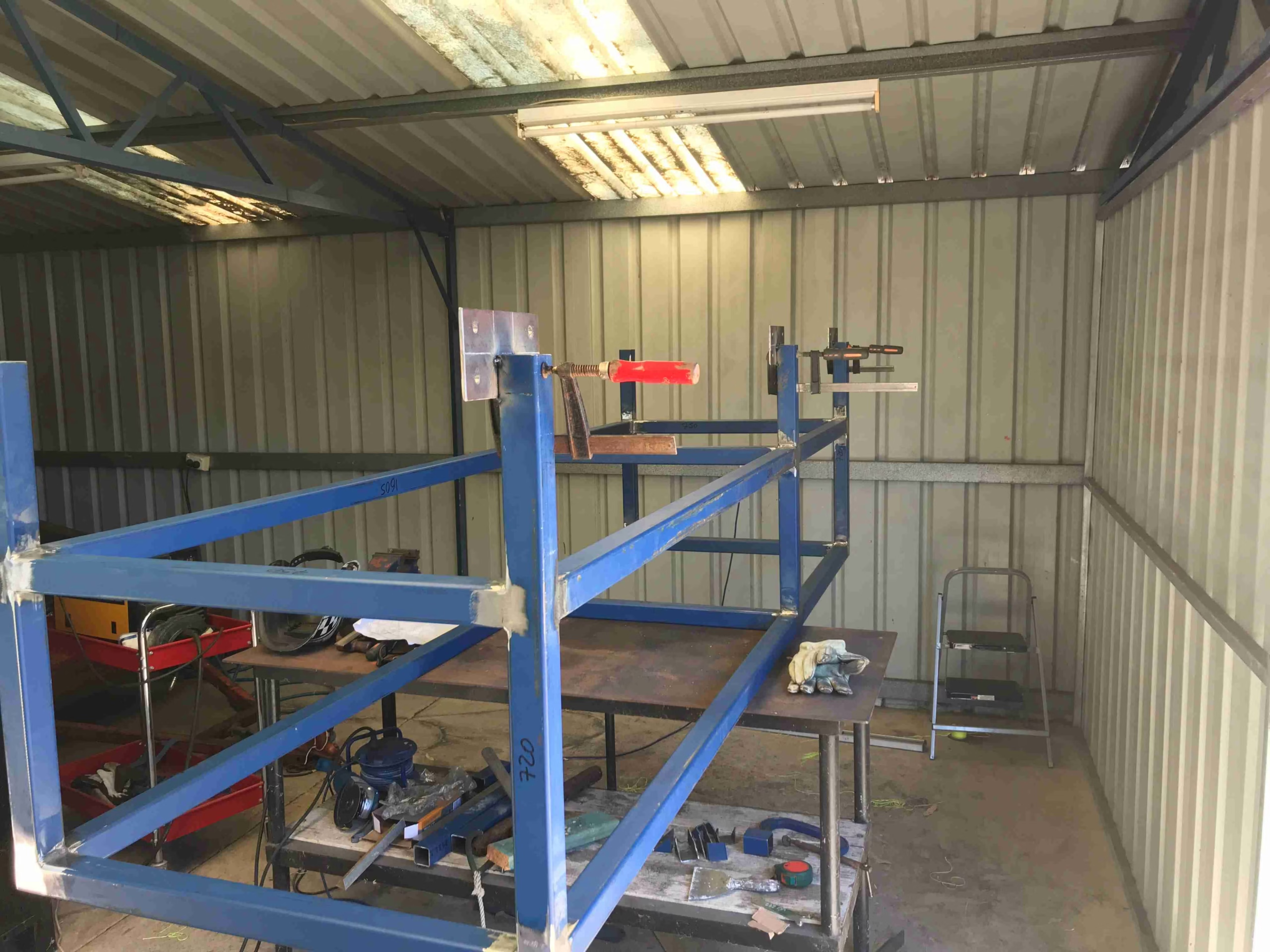
Fabrication covers the work needed to turn sheet, plate, tube or other metal stock into a usable item. A fabricator might cut tube to length, drill mounting holes, fold a sheet or check that parts line up before assembly. Some designs use welds, while others use bolts or rivets so the parts can be assembled without welding.
Does Your Job Need a Repair or a New Part?
Say your side gate in Hamilton Hill has dropped and started catching on the paving. A worn hinge pin or loose latch could explain the problem. If a hinge has separated from otherwise sound metal, a welding repair may be suitable after the surrounding metal and the cause of the failure are checked.
If the bottom rail has rusted through or the frame is twisted, the job may involve making a replacement section or a new gate. The fabricator needs to account for the opening, hinge positions, latch alignment and clearance over the paving. Those measurements determine whether the gate will swing and close properly.
A custom bracket is another example. If you need it to fit existing mounting holes, a fabricator can use a sketch or intact sample to work out the hole spacing and shape. The bracket might be folded from a single piece of sheet metal or assembled from several pieces, depending on what it needs to support.
What Goes Into a Fabrication Quote?
When comparing quotes for welding and metal fabrication, check what each one includes. A quote for a replacement gate, for example, may cover manufacture, while removal of the old gate, the finish and installation may be priced separately. Ask who will confirm the site measurements before the metal is cut.
You can gather most of the information for an initial quote with a tape measure, a phone and a sketch. If the item is stable and easy to access, write down the dimensions you can safely reach and photograph anything the finished part needs to fit around. Include these details when you enquire.
- What the item does. Explain what it supports, protects or attaches to and whether it moves during use.
- Where it needs to fit. Include the overall dimensions, fixing points and any clearance needed for doors, hinges or neighbouring parts.
- What condition it’s in. Take a photo of the whole item and close-ups of cracks, rust or old repairs. Include a ruler in close-ups where practical.
- How it will be used. Mention outdoor exposure, frequent use or whether you need to remove the part for servicing.
How Material, Finish and Standards Affect the Job
For an outdoor item near the coast, tell the fabricator if it will face salt air, hold water or get scratched through regular use. If you’re replacing a painted steel part, ask how the new metal will be protected at cut edges, welds and fixings. If you don’t know the existing material, include any markings or paperwork you have so the workshop can check it.
For structural steelwork, the drawings or specification may call for AS/NZS 1554.1, the Australian and New Zealand standard for welding steel structures within its scope. If you’re requesting a quote for structural work, provide the drawings and any stated weld or inspection requirements. These details help the workshop price the work to the specified requirements.
When to Call a Professional
Get a professional assessment if a crack keeps coming back, corrosion has eaten through the metal or a damaged part carries weight. For a damaged balustrade or other safety-critical item, keep people away from the affected area and arrange an assessment before putting it back into use.
For welding and metal fabrication in Hamilton Hill, contact P A Welding with photos, approximate dimensions and a short description of the job. Explain what you want the finished item to do and mention any site access limits so the workshop can advise whether it needs to inspect the item before quoting.
Conclusion
Welding joins metal, while fabrication makes or modifies the part itself. A sound gate with a failed joint may need a weld repair. A gate with a badly corroded frame may need a section made to fit or a full replacement. Send P A Welding a photo and the key measurements to discuss the options for your job.
Frequently asked questions
Can you fabricate metal without welding?
Yes. Some parts can be cut and folded from a single sheet. Assemblies can also use bolts or rivets where the design allows for mechanical fasteners.
What metals can be used in metal fabrication?
Common materials include mild steel, stainless steel and aluminium. The choice depends on where the part will be used, what it needs to do and how it will be formed or joined.
What does sheet metal fabrication involve?
It typically involves cutting sheet to size and shaping it with folds or bends. The job may also require punched holes, welded joints or a surface finish, depending on the design.