Heavy-duty steel framing that stands the test of time never happens by pure luck. Behind every bulletproof structural grid, factory mezzanine, gantry support beam, and customized machinery part is a strategic fusion process engineered to handle immense mechanical loads without breaking a sweat. Out of all the commercial bonding techniques on the market, MIG Welding has locked in its position as the top choice for Australian workshops because it is blisteringly fast, perfectly consistent, and leaves you with an incredibly neat, ultra-strong bead.
Right across Hamilton Hill, local building sites, manufacturing centers, and civil yards constantly lean on premium structural connections to lock down site safety and long-term material resilience. Striking a clean arc goes way deeper than just sticking two bits of plate together; it triggers a deep molecular bond that easily absorbs cyclic vibrations, thermal shifting, coastal air exposure, and brutal daily floor usage.
When you have a certified professional on the torch, choosing MIG Welding completely wipes out internal voids, jacks up your maximum load limits, and stretches the physical working clock of your structural steel assemblies. Pinpointing exactly how this arc profile fortifies the framework makes it dead simple to see why it keeps its position as the absolute go-to choice for tier-one builders and plant managers alike.
Understanding MIG Welding and Why It Matters
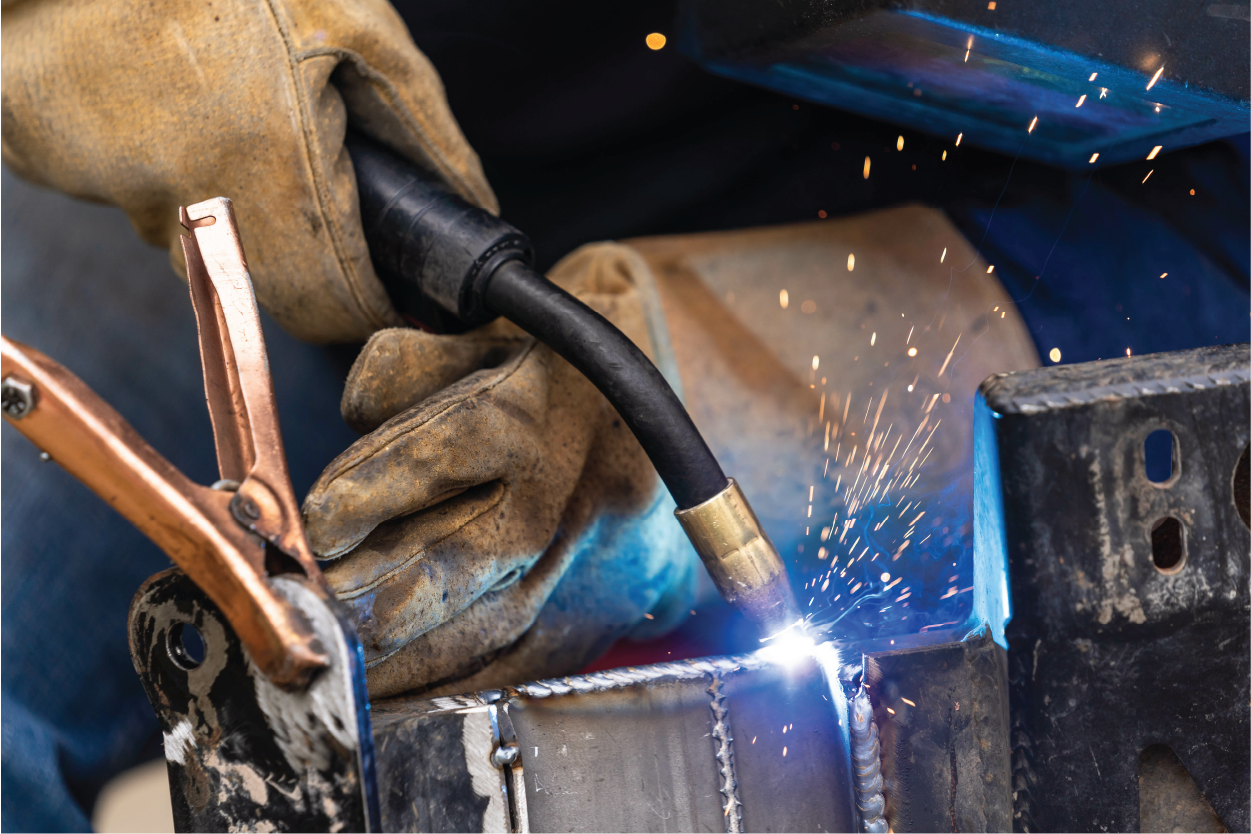
This process—which the trade formally calls Metal Inert Gas welding—relies on an automated spool gun that feeds an electrode wire down the line under a steady blanket of shielding gas to fuse your base metals together. The setup is known throughout the manufacturing sector for churning out beautifully neat, surgical, and reliable passes while keeping workshop output at an absolute maximum.
Compared to legacy stick methods, setting up for MIG Welding lets your technicians smash through heavy linear runs in a fraction of the time without compromising the depth of the root. That perfect sweet spot between high-speed turnarounds and extreme joint strength makes it the ultimate fit for everything from heavy structural steel fabrication to urgent mining plant overhauls.
With Hamilton Hill’s industrial nodes and commercial zones expanding rapidly, securing absolute joint execution is what stands between a safe handover and a major structural asset failure. Undercutting or poor gas coverage leaves you with brittle inclusions, cold lapping, and premature fractures, which is why sticking to certified welding services is vital for turning out uniform connections that tolerate punishing environmental stress.
The wire-feed configuration also hands the operator extreme control over the molten puddle depth, guaranteeing a rich, thorough melt right through the root face. The result is that your completed assemblies protect their full structural load ratings, even when coping with maximum tonnage or severe weather shifts.
The Connection Between MIG Welding and Structural Integrity
True structural soundness means a building layout can hold up its designated weight parameters without buckling, sagging under tension, or threatening public safety, and the precision of your joint work completely dictates that load survival. MIG Welding plays a vital role in creating strong, dependable connections that support long-term structural performance.
Opting for expert MIG Welding hardens the main structural intersections across your entire building blueprint. No matter if you are splicing massive universal beams, upright columns, heavy-gauge cleats, or custom transport brackets, a master-struck bead spreads the torsional stress perfectly across the surrounding steel plates.
The second your operator turns out patchy, uneven beads, internal stress points start brewing behind the slag. Those hidden defects are always the first zones to fracture, pit with rust, or fail under tension, which is why experienced boilermakers rely on strict puddle control to lock in deep penetration and a seamless fusion zone.
The result is a stronger overall structure capable of handling:
- Dynamic loads
- Heavy equipment operation
- Vibration and movement
- Weather exposure
- Long-term operational stress
Turning out rock-solid connections drives up the safety margins and structural life of retail complexes, heavy manufacturing yards, and high-end residential builds right through Hamilton Hill.
How Professional MIG Welding Enhances Performance
True field performance takes a lot more work than just tacking steel together so it doesn’t fall over. A master-built frame needs to stay perfectly plumb, rigid, and resource-efficient through decades of intense operational runtime.
Relying on skilled MIG Welding drives up your engineering metrics because it creates crisp, low-splatter joints that need virtually zero grinding or post-weld clean-up. Eliminating micro-voids early keeps your long-term maintenance cycles down to a minimum, saving you a small fortune in structural repair costs down the track.
The consistency of the arc wire also ensures your components stay perfectly square on the jig blocks. Keeping your joints uniform preserves your exact millimeters across the layout, meaning major assemblies drop into place perfectly on the construction site with zero layout friction—a precision factor that is critical in structural welding where a tiny alignment error will completely mess up your load distribution math.
Projects completed using professional MIG Welding often benefit from:
| Performance Factor | Benefit |
| Strong weld penetration | Better load-bearing capacity |
| Consistent weld quality | Improved reliability |
| Faster fabrication | Reduced project timelines |
| Lower defect rates | Less rework required |
| Enhanced durability | Longer service life |
That unbeatable mix of brute strength and rapid workshop turnaround is exactly why savvy commercial operators keep sinking their project capital into certified welding services Hamilton Hill wide.
Reduced Risk of Structural Failure
Every single warehouse frame or heavy platform faces non-stop physical strain over its working lifecycle. Crane loads transfer, raw steel moves with summer heat waves, and intense weather cycles constantly try to tear your connections apart. MIG Welding helps create strong, durable joints that can withstand these ongoing stresses and support long-term structural performance.
Utilizing expert MIG Welding drops your risk of a catastrophic structural failure down to zero by turning out incredibly tough joints engineered to take those dynamics head-on. Seasoned professionals know that dialing in your bevel preps, adjusting your gas flow rates, and moving at the correct speed is what keeps the bead clean. Skipping these baseline steps traps internal porosity, causes lack-of-fusion tracking, and triggers centerline cracking, severe bugs that stay hidden inside the throat of the joint until the metal snaps under a heavy load.
Official trade guidelines published by the Welding Technology Institute of Australia confirm that running strict, qualified weld procedures and thorough quality-assurance steps is an absolute non-negotiable requirement for protecting workplace safety and long-term asset reliability.
Getting a qualified inspector to run a comprehensive check over your segments adds an ironclad defense layer to your project, exposing micro-tears long before they can trample your company budget. Playing offense like this shields your commercial investment while fully locking down public safety compliance.
The Role of MIG Welding in Steel Fabrication Projects
Heavy-duty steel fabrication works act as the primary structural spine for the bulk of local development and civil builds around the district. Whether you are assembling massive portal frames or fabricating custom quarry machinery, your final engineering quality depends 100% on how cleanly your joints are struck.
That is exactly why MIG Welding commands the center spot in the fabrication yard, turning out rapid, continuous workshop output without losing an ounce of joint strength. It lets our steel fabrication teams push massive volumes of processed steel through the shop floor with uniform precision, keeping your commercial build moving perfectly on schedule.
The semi-automated wire feed works brilliantly whether you are burning through heavy-gauge structural plate or pulsing along thin sheet metal, giving workshop managers the versatility to adapt to any bespoke engineering brief. Melting the roots properly ensures your completed steel components handle punishing daily industrial operations without a single glitch.
Modern steel fabrication facilities frequently choose MIG Welding because it provides:
- Excellent production speed
- High-quality weld appearance
- Consistent structural strength
- Reduced fabrication costs
- Greater project efficiency
These operational wins turn the method into an invaluable strategy for heavy commercial frameworks and complex manufacturing layouts that demand absolute structural reliability.
Why Professional Expertise Makes a Difference
Buying a top-tier digital power source doesn’t automatically mean you’ll get flawless joints on the floor; the muscle memory and technical eye of the boilermaker on the gun are what determine if a joint will pass inspection. MIG Welding equipment is only one part of the equation.
A master tradesman knows exactly how different steel grades pull and warp under high heat cycles, and how a stiff workshop breeze can ruin your gas shielding during MIG Welding. They know exactly how to balance their voltage trims, tune their wire run-out speed, and change their hand angles to lock in an absolutely perfect fusion line.
Seasoned trade professionals can instantly spot a bad puddle layout or a tracking error long before it can threaten the structural integrity of your assembly. Having that experienced eye on the floor keeps you from wasting cash on grinding out defects and prevents terminal site failures down the road.
Any project built around heavy structural welding requires zero-compromise adherence to code standards, meaning our certified operators work strictly off verified weld procedures to guarantee flawless compliance with national trade rules.
A sloppy, cold pass might look okay from the outside once it’s hit with a coat of primer, but it will carry dangerous internal gas pockets that will shear apart under load. Relying on elite trade craftsmanship deletes these invisible liabilities from your asset pool, backing your project with decades of long-term structural reliability.
Long-Term Cost Benefits of Professional MIG Welding
It is incredibly common for estimators to obsess over the initial fabrication quote during the tendering phase, but the real-world operational upkeep costs over the next twenty years are what actually dictate your true ROI.
Investing in certified MIG Welding locks in massive long-term budget savings by scaling down your facility upkeep logs, eliminating structural repair invoices, and extending the operational lifespan of your infrastructure. Flawless joints don’t shear or sag under load, dropping your risk of facing a massive factory shutdown or paying for expensive emergency replacement steel.
Businesses that invest in quality welding often experience:
- Fewer structural repairs
- Reduced operational interruptions
- Longer asset lifespan
- Improved workplace safety
- Better return on investment
Going with a backyard cut-rate quote might save a couple of dollars on paper this morning, but lazy, uncertified workmanship always hits back with massive, inflated structural rectification bills down the track.
Poor-quality MIG Welding can lead to weak joints and costly repairs that could have been avoided from the start. Paying for high-end trade execution gives genuine, permanent asset value through absolute durability and mechanical reliability.
MIG Welding Applications Across Hamilton Hill Industries
The incredible flexibility of the gas-shielded wire gun is exactly why it underpins a massive cross-section of heavy industry right across the Hamilton Hill precinct.
Civil construction companies rely on it to tie their main structural steel portals and multi-story skeletons together, while high-output plants use it to build heavy conveyor lines and custom material hoppers. On top of that, the heavy transport sector completely depends on these high-penetration arcs to fabricate freight trailers, earthmoving attachments, and specialized metal structures.
Common applications include:
- Structural steel construction
- Industrial platforms
- Warehouse frameworks
- Machinery fabrication
- Metal fabrication services
- Commercial building projects
- Equipment repairs
- Custom steel fabrication
This massive, multi-sector utility outlines exactly why the process keeps its spot as a fundamental pillar driving modern industrial manufacturing and civil expansion forward.
Quality Control and Inspection Standards
Keeping up with strict quality assurance tracking is hands-down the single most important phase of a commercial trade build, because even the most advanced wire-feed setup means nothing without proper physical testing and sign-offs.
High-quality MIG Welding must always be supported by thorough inspections to verify strength, accuracy, and compliance. Elite boilermaking squads weave tight testing milestones right through the cutting, assembly, and final installation phases of the build. These checks give absolute proof of joint throat depth, strict millimetric accuracy, and full compliance with the engineer’s blueprint.
Depending on what the certifier specifies, the testing layout can cover anything from macro-etch visual grading and non-destructive ultrasonic scans to full-scale load assessments. This level of scrutiny helps ensure every MIG Welding joint performs safely and reliably under real-world conditions.
Sticking to rigorous quality testing parameters gives your operations team total confidence that your completed steel connections will handle massive, real-world operational stress without flinching. This baseline of engineering certainty is absolutely paramount when you are handing over public infrastructure works, multi-story office cores, or continuous high-tonnage mining setups.
Maintaining transparent, high-level verification loops is what backs the solid reputation of professional welding services hamilton hill providers, shielding clients from messy structural liability risks and structural failures.
Conclusion
At the end of the day, your final structural capacity is only as good as the weakest connection on your framing layout. Turning to qualified MIG Welding serves up the intense durability, absolute consistency, and high-end arc performance required to back modern civil builds, heavy metal fabrication services, and high-demand industrial layouts all over the Hamilton Hill area.
By locking in maximum root penetration, wiping out internal slag traps, and multiplying your framing load limits, the method acts as a direct investment in your facility’s structural soundness and long-term lifespan. When you marry this process with top-tier trade hands, airtight non-destructive testing, and industry-best engineering habits, it delivers an incredibly cost-effective, premium solution across any commercial application.
No matter if you are managing major steel fabrication runs, overhauling high-volume manufacturing lines, or executing deep commercial developments, putting your budget into certified welding solutions is your number-one insurance policy for operational safety and mechanical performance. For reliable fabrication outcomes and durable structural results, professional welding services offer the expertise needed to ensure every project stands strong for years to come.
Contact us today to discuss project requirements or get a quote for expert welding solutions tailored to specific structural needs.
Frequently Asked Questions
1. What is MIG Welding used for?
This gas-shielded process is the premier choice for fusing heavy structural carbon steel, clean stainless plates, and marine-grade aluminum channels, making it a major staple across commercial construction sites, automated fabrication bays, high-strength structural welding lines, and urgent industrial equipment repairs due to its intense deposition speed and bulletproof strength.
2. Why is MIG Welding important for structural integrity?
The wire gun lays down remarkably uniform, dense beads that allow intense weight transfers to shift seamlessly across your connection plates, completely eliminating hidden stress concentrations, halting metal fatigue, and shielding your framework from sagging or cracking under high tonnage.
3. Is MIG Welding suitable for large steel fabrication projects?
It is easily the most efficient way to run a high-volume assembly line, feeding a continuous electrode wire so your fabricators can churn out long linear runs in half the time of stick welding while keeping your joint consistency immaculate across every single piece of steel fabrication.
4. How long do professional MIG welds last?
A master-struck joint will easily outlast the actual service life of the building itself, provided the base metal is prepped correctly and coated against rust, though your long-term lifecycle will always vary depending on structural design limits, coastal salt exposure, and daily vibration levels.
5. What industries commonly use MIG Welding in Hamilton Hill?
A massive lineup of heavy sectors completely rely on the process to keep their operations moving, covering high-rise commercial builders, plant manufacturers, heavy mining equipment workshops, transport body builders, civil developers, and high-output metal fabrication services.
6. How does professional welding reduce maintenance costs?
Getting a certified trade expert on the line deletes internal porosity bugs and builds a highly resilient fusion zone that resists cyclic stress, metal fatigue, and heavy rust pitting, which slashes your facility repair callouts and stretches out the working life of your heavy fabricated assets dramatically.