Welding is a critical skill across Australian industries, from automotive repairs to structural construction. If you’ve ever wondered what’s the difference between MIG and TIG welding, understanding the core distinctions can help you choose the right technique for your project. Both methods have unique applications, strengths, and equipment requirements, and knowing when to use each can save time, costs, and ensure high-quality results.
Understanding MIG Welding
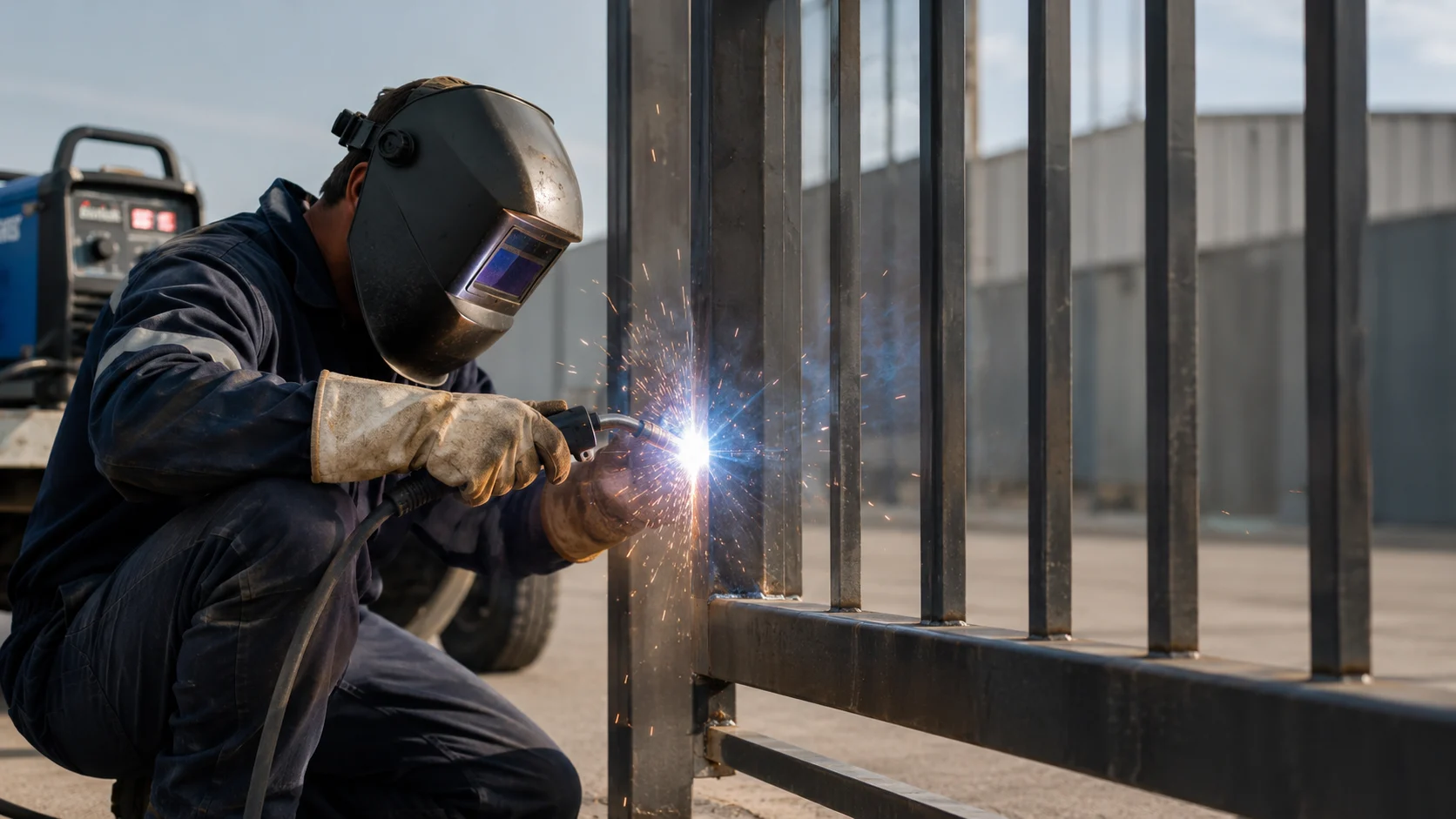
MIG welding, short for Metal Inert Gas welding, uses a continuously fed wire electrode and an inert gas to shield the weld from contaminants. This method is popular in automotive and metal fabrication workshops in Australia due to its speed and ease of use. MIG welding works best on thicker materials and is suitable for both mild steel and stainless steel.
Advantages of MIG welding include:
- Faster welding process for large projects
- Reduced cleanup as the shielding gas limits oxidation
- Easier for beginners to learn basic welds
P A Welding frequently uses MIG welding for structural frames, trailer repairs, and general fabrication jobs across Australian workshops, ensuring consistent weld strength and efficiency.
Exploring TIG Welding
TIG welding, or Tungsten Inert Gas welding, differs significantly. It uses a non-consumable tungsten electrode and separate filler material, providing precise control over the weld. TIG is preferred when working with thin metals or requiring aesthetically clean welds, such as aluminium components or decorative metalwork. While slower than MIG, TIG allows for intricate welding with minimal spatter.
Key benefits of TIG welding include:
- High-quality, precise welds for visible surfaces
- Works well on delicate metals like aluminium and copper
- Greater control over weld heat and penetration
In Australian industries, TIG welding is commonly employed for automotive restorations, custom metal furniture, and engineering projects where appearance and strength are both priorities.
Key Differences Between MIG and TIG Welding
Choosing between MIG and TIG comes down to your project needs:
- Speed vs. Precision: MIG is faster and better for thicker materials; TIG is slower but ideal for detailed work.
- Material Compatibility: MIG handles mild and stainless steel well; TIG excels on aluminium and thinner metals.
- Skill Level: MIG is generally easier for beginners; TIG requires more experience and control.
- Equipment Requirements: MIG involves continuous wire feed and gas; TIG requires separate filler rods and careful arc control.
Understanding these differences ensures your welding approach matches the material, finish, and structural requirements of your project.
When to Call a Professional
While DIY welding is possible, certain projects demand professional expertise. Call P A Welding when:
- You’re handling structural or load-bearing components
- The project involves complex joints or thin materials requiring TIG precision
- Safety regulations or Australian standards apply to the weld quality
Hiring experienced professionals ensures compliance with Australian welding codes and provides durable, reliable results, reducing the risk of costly rework or safety issues.
Conclusion
Knowing what’s the difference between MIG and TIG welding empowers you to make informed choices for your projects. MIG offers speed and strength for thicker materials, while TIG provides precision and quality for detailed work. For expert guidance or hands-on welding services, P A Welding can help deliver safe, compliant, and high-quality results for all Australian applications.