
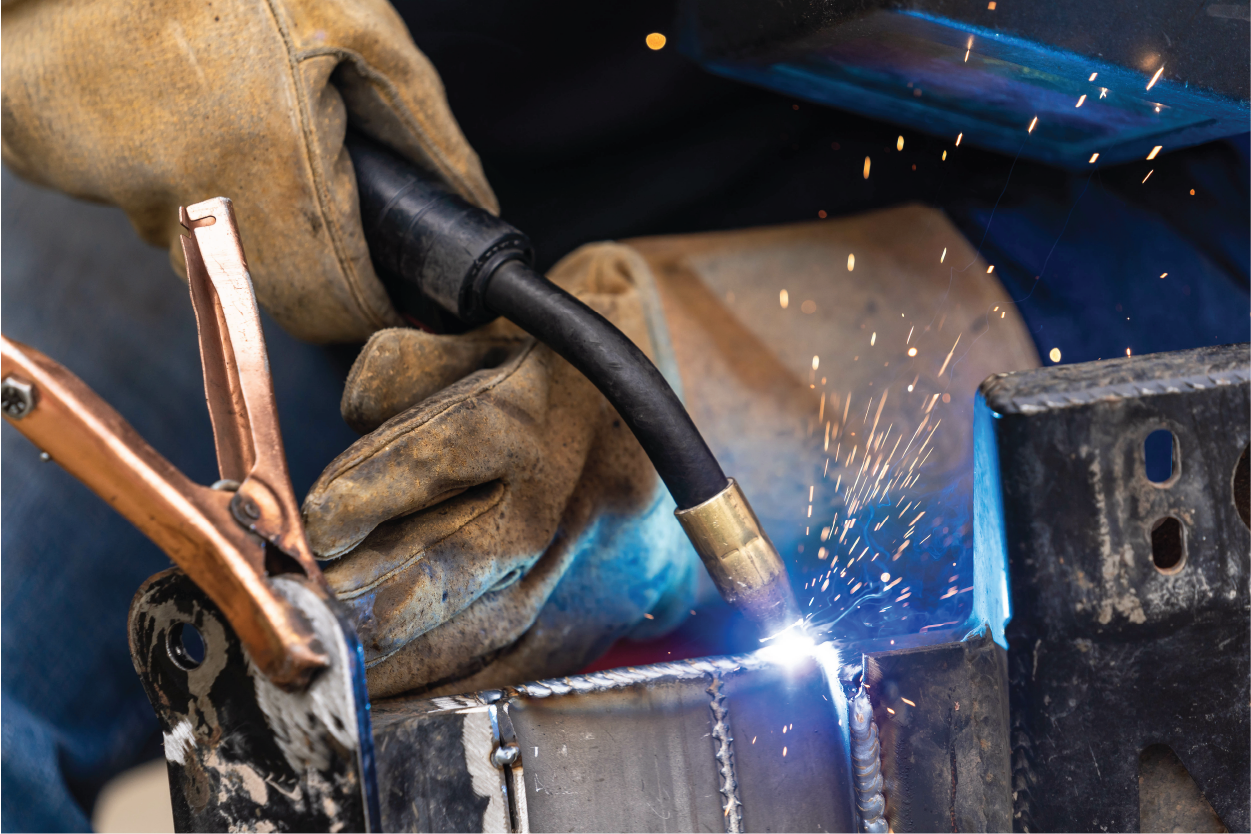
Aluminium welding can repair some cracked boat parts if the surrounding metal is sound, the alloy is suitable for welding and the cause of the crack can be addressed. A cracked accessory bracket may be straightforward to replace. Keep the boat ashore if you find a crack in the hull, transom or another structural part.
When aluminium welding is a suitable repair
Start by identifying what the cracked part does. A small bracket that holds a storage tray carries a different load from the bracket that supports an outboard. Even if both cracks look the same in a photo, the consequences of a failed repair are very different.
A welder may be able to repair an isolated crack in a removable fitting if the metal around it is sound. If the bracket is bent, heavily pitted or cracked in several places, a replacement may make more sense. Bringing in a removable fitting can also give the welder a clearer view of the damage and better access to both sides.
The original material matters too. A sheet aluminium panel and a cast aluminium fitting can need different repair approaches. If you have a part number, builder’s details or paperwork identifying the alloy, share it with the repairer. That information helps them decide whether to weld the part, replace it or investigate further.
Why the cause of the crack matters
A crack after a single impact calls for a different assessment from one that gradually opens beside an old weld. If you bumped a submerged object, the repairer may look for dents or distortion around the impact. If a crack keeps returning, they’ll want to know what is flexing or putting repeated strain on the joint.
Consider a tinny with a hairline crack next to a transom brace. The visible line is only one part of the assessment. The repairer may need to inspect the brace, nearby welds and the area around the outboard mounts to understand how the transom is carrying the load.
Look for pitting as well as cracks. Marine and Safety Tasmania’s vessel maintenance guidance identifies fractured welds and corrosion as areas to watch on aluminium hulls. Pitting around fasteners or in the bilge can affect how much sound metal is available for a repair. If corrosion extends beyond the crack, replacing a section may be more suitable than welding the crack alone.
What you can check while the boat is ashore
Take a few photos before cleaning up the area. A close-up shows where the crack starts, while a wider shot shows how the part fits into the boat. If the damage appeared after a trip out of Fremantle or you noticed water in the bilge after retrieving the boat, include that detail when you enquire.
- Record the location. Note whether the crack is on a removable fitting, along a hull seam, near a frame or around the transom.
- Photograph the surrounding area. Include nearby fasteners, welds and any visible dents or pitting.
- Describe when you noticed it. Mention a grounding, a hard impact or whether a previous repair has cracked again.
- Find the boat details. Send the make, model and approximate age, along with any repair history you have.
- Flag anything close to the repair. Tell the welder if the area is near fuel lines, wiring, carpet or enclosed compartments.
Leave the damaged area as it is for the first assessment. Grinding, painting or applying sealant can hide details that help the repairer judge how far the damage extends. If you can only see one side of the crack, say so when you send the photos.
Can the repair be done at your property in Hilton?
An accessible, removable bracket can be a simpler job to arrange than a crack under the hull. A hull repair may need access from both sides, removal of fittings or a different way to support the boat while it’s being worked on. The welder will also need to assess whether the area can be prepared safely, particularly near fuel or combustible materials.
Ask what the quote covers beyond the weld itself. If the repair involves a hull seam, for example, ask how the repairer will check the area afterwards. For transom damage, ask what needs to be inspected before the outboard is put back into service. The checks should suit the part and the way it’s used.
When to Call a Professional
Arrange an assessment if a crack is below the waterline, runs along a hull seam, sits near the outboard mounts or has reopened after a previous repair. Keep the boat out of the water until a suitably experienced repairer has assessed the damage. If you suspect a leak, mention when and where you first noticed water coming in.
Contact P A Welding with photos and a description of the cracked part to discuss whether aluminium welding is suitable. Include where the boat is stored in Hilton so the team can advise whether an on-site assessment is practical or whether you need a marine repair workshop.
Conclusion
Aluminium welding can be an option for a cracked boat part when the metal is sound and the repair addresses the cause of the damage. Hull and transom cracks need a closer assessment before the boat goes back in the water. Send P A Welding a close-up and a wider photo of the damage to discuss the next step.
Frequently asked questions
Can you weld a crack in an aluminium boat hull?
Sometimes. A repairer needs to check the crack’s location, the condition of the surrounding plate and whether nearby frames or welds are damaged. A heavily pitted or distorted section may need replacing.
Can a cracked aluminium boat transom be repaired?
Some transom cracks can be repaired. The assessment should cover the surrounding metal, braces and outboard mounting area because a crack at one weld can be related to movement elsewhere.
Why has my aluminium boat cracked beside an old weld?
Repeated flexing, impact damage or corrosion can contribute to a crack beside an old repair. The location alone rarely identifies the cause. Show the repairer the surrounding supports and explain when the crack reappeared.