When you think about strong metal fabrication, chances are you picture sparks flying, heavy steel frames, and tradies working with serious focus. But not all welding methods are built the same. Some are rough around the edges. Others are all about precision, control, and clean finishes. That’s exactly where TIG Welding steps into the spotlight.
Across Hamilton Hill and wider Western Australia, TIG Welding has become one of the most trusted fabrication methods for industries, custom projects, automotive work, and architectural metal fabrication. Whether you’re building a sleek stainless-steel handrail or repairing aluminum components, TIG Welding offers a level of precision that feels almost surgical. It’s the difference between a rushed backyard barbecue sausage and a perfectly grilled steak at your favourite Perth restaurant. Same heat. Very different result.
At P A Welding, we’ve seen firsthand how TIG Welding changes the quality, durability, and appearance of fabricated metal projects. It’s not just about joining metal together. It’s about creating stronger, cleaner, and longer-lasting results that hold up in real Australian conditions.
What Is TIG Welding and Why Is It So Popular?
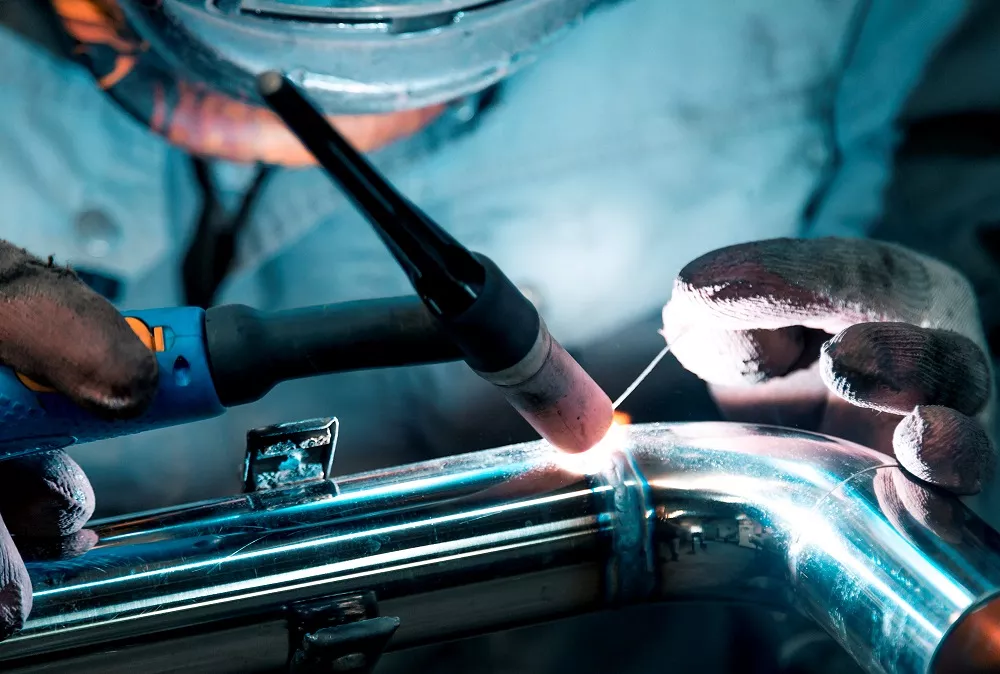
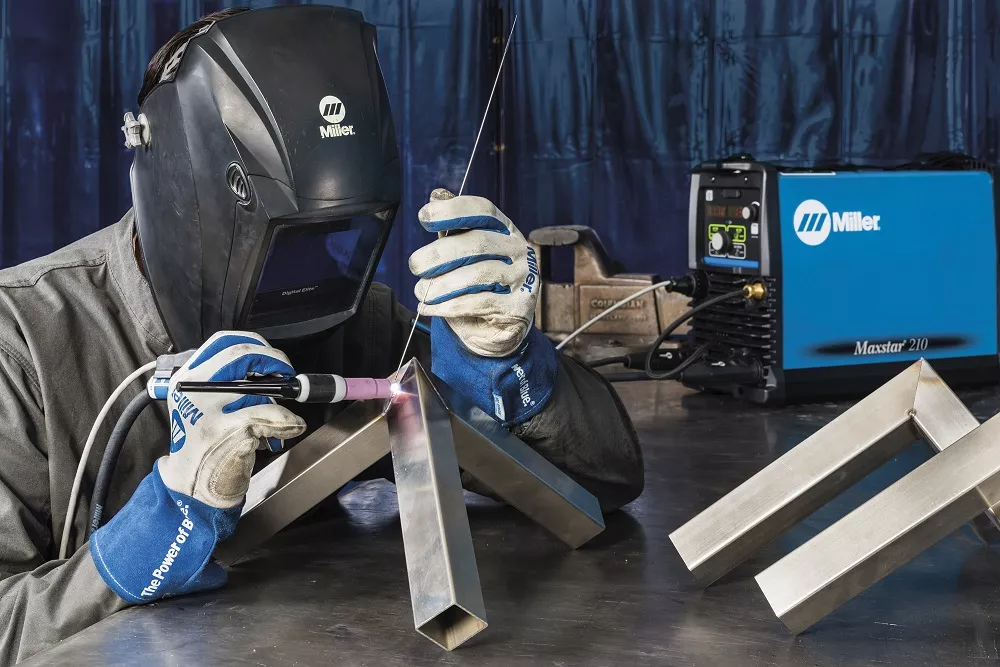
TIG Welding, short for Tungsten Inert Gas welding, is a precision welding process that uses a non-consumable tungsten electrode to create exceptionally clean and accurate welds. Unlike rougher welding techniques that throw sparks like New Year’s Eve fireworks, TIG Welding gives fabricators incredible control over heat and weld quality.
One reason TIG Welding is highly respected in Australia is its versatility. It works beautifully on stainless steel, aluminium, copper, and thinner metals that require careful heat management. For businesses in Hamilton Hill working on marine fabrication, automotive upgrades, or architectural steel projects, TIG Welding delivers both strength and visual appeal.
Another major advantage is the clean finish. TIG Welding produces minimal spatter and creates neat weld beads that often require little post-finishing work. That means less grinding, less cleanup, and a more polished result overall.
1. TIG Welding Delivers Exceptional Precision
Precision matters more than people realize. A small welding flaw might not seem important initially, but over time, weak welds can crack, corrode, or fail under pressure. TIG Welding is widely recognized because it allows welders to control every detail with impressive accuracy.
At P A Welding, precision TIG Welding is especially useful for:
- Stainless steel fabrication
- aluminum repairs
- Automotive fabrication
- Thin metal components
- Decorative architectural welding
This level of control makes TIG Welding ideal for projects where appearance and structural integrity both matter. Clean weld lines are not just visually satisfying. They also indicate better consistency and stronger bonding.
2. TIG Welding Creates Stronger Welds
One of the biggest reasons professionals choose TIG Welding is strength. Strong welds are essential in Australian environments where fabricated metal often faces harsh weather, salt exposure, vibration, and heavy use.
TIG Welding creates deep penetration while maintaining excellent control over heat input. That balance helps reduce weak spots and improves the overall durability of fabricated structures. Whether it’s stainless steel balustrades near coastal areas or custom aluminium fabrication for commercial use, TIG Welding produces welds that are built to last.
Compared to some faster welding methods, TIG Welding may take more time, but the payoff is durability. It’s a bit like investing in quality work boots. Sure, they cost more upfront, but they survive years of punishment instead of falling apart after one season.
3. TIG Welding Produces Cleaner and More Attractive Finishes
There’s something deeply satisfying about a perfectly clean weld. Even people outside the fabrication industry notice the difference immediately. TIG Welding creates smooth, tidy welds with minimal spatter, making fabricated metalwork look far more professional.
This is particularly important for visible applications such as:
| Application | Why TIG Welding Works Well |
| Stainless steel handrails | Clean visual finish |
| Automotive fabrication | Precision appearance |
| Custom furniture | Decorative weld quality |
| Marine fabrication | Corrosion-resistant joins |
| aluminum fabrication | Smooth surface finish |
Young Australian homeowners and business owners increasingly want fabrication work that looks modern and refined, not bulky or rough. TIG Welding helps deliver that sleek aesthetic while maintaining structural performance.
4. TIG Welding Works Brilliantly on Thin Metals
Thin metals can be incredibly tricky to weld. Too much heat can warp the material, weaken the structure, or burn straight through the surface. TIG Welding provides precise heat control, which makes it ideal for thinner materials.
This benefit is particularly valuable for industries around Hamilton Hill where lightweight aluminium and stainless-steel fabrication are common. From custom ute trays to kitchen fit-outs and marine components, TIG Welding offers consistent results without damaging delicate metal sections.
The control TIG Welding provides is one of the reasons experienced welders respect the process so highly. It requires patience, steady hands, and genuine skill. It’s less “smash and grab” and more “careful craftsmanship.”
5. TIG Welding Supports Better Corrosion Resistance
Australia’s coastal conditions can absolutely punish metal fabrication. Salt air, moisture, and harsh UV exposure can shorten the lifespan of poorly welded metal structures. TIG Welding helps reduce this risk by creating cleaner welds with fewer contaminants trapped inside the joint.
Because TIG Welding produces stable and precise welds, there’s less chance of porous areas where moisture can creep in. This is particularly important for stainless steel fabrication and marine applications around Western Australia.
For readers wanting more information about Australian welding and workplace safety standards, the Australian Government’s Safe Work Australia guidelines provide useful industry information through Safe Work Australia.
Good TIG Welding isn’t only about appearance. It directly contributes to longer-lasting fabrication performance, especially in demanding environments.
6. TIG Welding Offers Excellent Versatility
One underrated benefit of TIG Welding is versatility. A skilled welder can use TIG Welding across multiple industries and fabrication types without compromising quality. That flexibility makes it highly valuable for residential, commercial, and industrial projects alike.
At P A Welding, TIG Welding is commonly used for:
- Structural fabrication
- Pipe welding
- Stainless steel fabrication
- aluminum fabrication
- Automotive repairs
- Custom metal projects
This versatility means clients don’t need separate fabrication solutions for every project type. TIG Welding adapts well to different materials and design requirements while still producing high-quality results.
It’s a bit like having one mate who can fix your car, build your deck, and somehow still cook a decent steak afterwards. Reliable skills matter.
7. TIG Welding Helps Reduce Long-Term Repair Costs
Cheap fabrication work rarely stays cheap for long. Poor-quality welds often lead to cracks, repairs, structural weakness, and ongoing maintenance costs. TIG Welding reduces those risks by producing durable, accurate welds from the beginning.
Businesses and homeowners in Hamilton Hill increasingly prioritize long-term value over quick temporary fixes. TIG Welding supports that mindset by delivering fabrication work that performs reliably for years.
Because TIG Welding creates cleaner and stronger joints, fabricated structures often require less maintenance over time. That means fewer repair callouts, reduced downtime, and better overall investment value.
Why TIG Welding Requires Genuine Skill
While TIG Welding delivers outstanding results, it’s also one of the more technically demanding welding methods. Unlike some automated welding techniques, TIG Welding relies heavily on the welder’s coordination, precision, and experience.
The process requires simultaneous control of heat, filler material, torch angle, and movement speed. Experienced TIG welders develop these skills over years of hands-on fabrication work. That’s why choosing a professional welding company matters.
At P A Welding, experience plays a massive role in achieving consistent fabrication quality. TIG Welding isn’t just a process. It’s craftsmanship backed by technical expertise and attention to detail.
TIG Welding vs MIG Welding: What’s the Difference?
People often ask whether TIG Welding is better than MIG welding. The truth is both methods have strengths depending on the project requirements.
MIG welding is generally faster and works well for thicker materials or high-production environments. TIG Welding, however, excels when precision, appearance, and clean finishes are priorities.
If you’re working on decorative stainless steel, aluminum fabrication, or custom metalwork where detail matters, TIG Welding is usually the superior choice. It may take longer, but the quality difference is often obvious immediately.
Think of MIG welding as a practical workhorse and TIG Welding as the luxury performance model. Both are useful. One simply offers more finesse.
How TIG Welding Supports Modern Australian Fabrication
Modern Australian fabrication trends increasingly prioritize clean aesthetics, lightweight materials, and long-term durability. TIG Welding fits perfectly into that shift.
Architectural fabrication, modern home renovations, custom outdoor kitchens, stainless steel balustrades, and automotive upgrades all benefit from the precision TIG Welding provides. Younger Australian property owners especially appreciate fabrication work that combines strength with visual sophistication.
This growing demand means TIG Welding will likely remain one of the most respected fabrication methods across Australia for years to come.
Choosing the Right TIG Welding Professionals in Hamilton Hill
Not all welding companies deliver the same standard of workmanship. When selecting a TIG Welding specialist, experience, material knowledge, and fabrication quality should always come first.
A skilled TIG welder understands heat control, metal compatibility, structural integrity, and finishing quality. They also understand local Australian conditions and how environmental exposure affects fabricated metal over time.
At P A Welding, every TIG Welding project is approached with precision, professionalism, and a strong focus on long-term durability. Whether it’s residential metal fabrication or commercial welding services, quality workmanship remains the priority.
Conclusion
TIG Welding continues to stand out as one of the most reliable and precise fabrication methods available today. From cleaner finishes and stronger welds to better corrosion resistance and long-term durability, the advantages are hard to ignore. Whether you’re upgrading a commercial property, repairing aluminum components, or investing in custom metal fabrication, TIG Welding delivers professional results that hold up under real Australian conditions.
At P A Welding, we take pride in delivering high-quality TIG Welding services for clients across Hamilton Hill and surrounding areas. If you’re looking for strong, precise, and long-lasting fabrication solutions, contact our experienced team today and let’s bring your next metal fabrication project to life.
FAQs
1. What is TIG Welding commonly used for?
TIG Welding is commonly used for stainless steel fabrication, aluminum welding, automotive work, pipe welding, and custom metal fabrication projects where precision and clean finishes are important. It’s especially popular for visible welds and high-quality fabrication work.
2. Is TIG Welding stronger than MIG welding?
TIG Welding can produce extremely strong welds with excellent penetration and cleaner bonding. While both methods create durable welds, TIG Welding is often preferred for precision fabrication and projects requiring greater accuracy and finish quality.
3. Why is TIG Welding more expensive?
TIG Welding generally takes more time and requires greater technical skill compared to other welding methods. The slower process and higher level of craftsmanship contribute to increased labour costs, but the quality and durability are often worth the investment.
4. Can TIG Welding be used on aluminum?
Yes, TIG Welding is widely used for aluminum fabrication because it provides excellent heat control and clean weld quality. It helps reduce warping and creates strong, attractive aluminum joints.
5. How long do TIG welds last?
Professionally completed TIG welds can last for many years when properly maintained. Their durability depends on factors such as material quality, environmental exposure, and the skill of the welder performing the fabrication.